
When Water Damage Raises Mold Concerns in Central Texas
September 25, 2026 · 4 min read
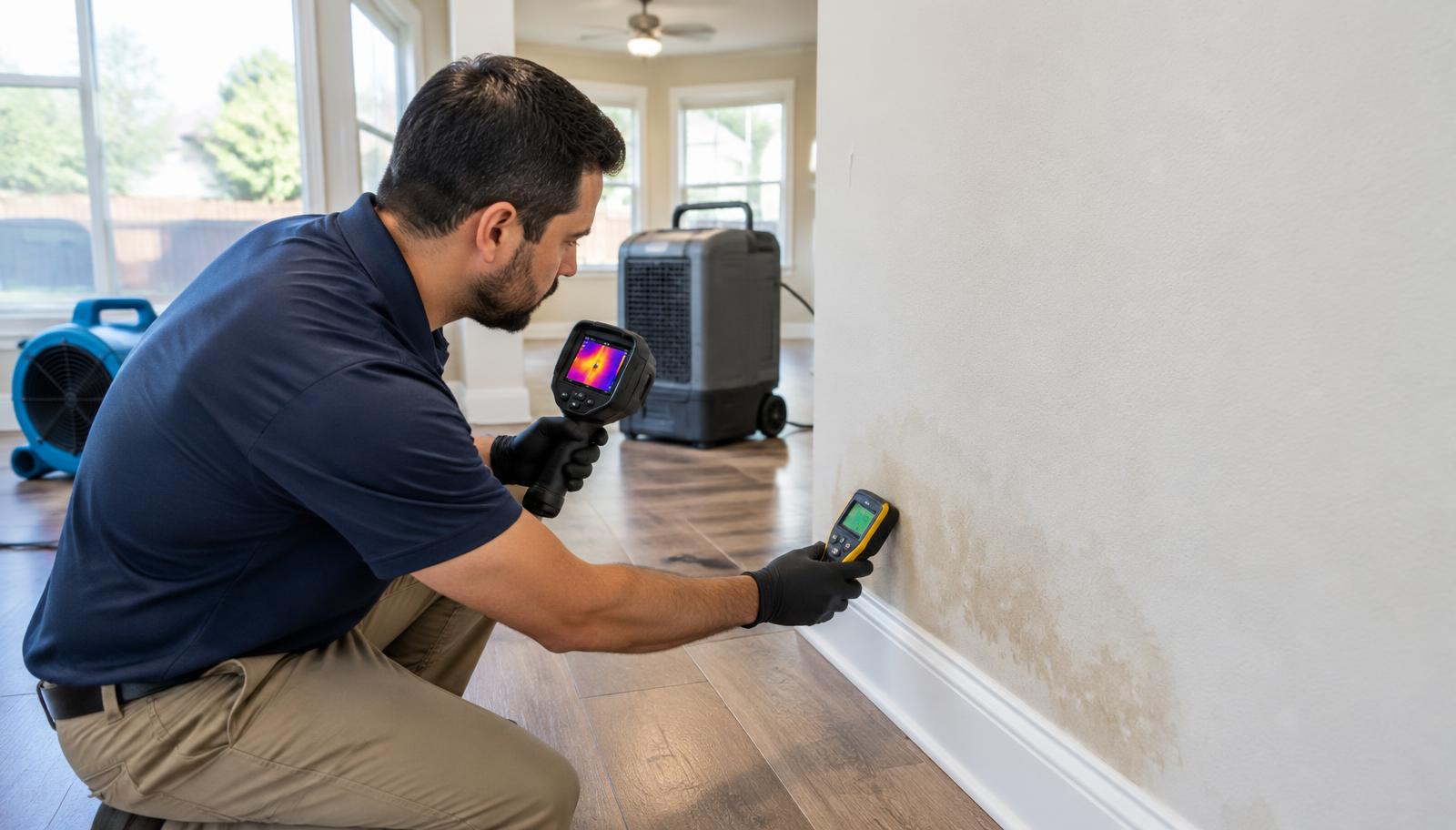
A leak can appear contained while moisture remains inside drywall, beneath flooring, or around cabinets. When damp materials do not dry properly, they may create conditions where mold can develop. A musty odor, recurring staining, swollen trim, or discoloration near a past leak deserves attention, but the first priority is still finding the water source and determining how far the moisture traveled.
Rapid Dry Moisture Recovery Services helps property owners in Belton and surrounding Central Texas communities with water removal, moisture detection, and structural drying. If mold is already present, Rapid Dry states that it documents the condition and refers the remediation work to an appropriately licensed company under Texas requirements.
Start With the Moisture Source
Visible growth is only part of the problem if a plumbing leak, roof opening, appliance failure, or drainage issue is still adding water. If it is safe, stop the source and keep people and pets away from affected materials. Do not sand, scrub, paint over, or remove suspected mold-damaged drywall yourself, because disturbing the area may spread particles into adjoining rooms.
Look Beyond What Feels Dry
Surface drying does not confirm that wall cavities, subflooring, insulation, or framing have returned to an appropriate moisture level. Professional moisture meters and thermal imaging can help identify areas that need closer evaluation. Extraction equipment, air movers, and dehumidifiers may then be used as part of a monitored drying plan when conditions permit.
Learn more about Rapid Dry's approach to water removal and structural drying for leaks, flooding, and other water losses in Central Texas.
Signs That Call for Further Evaluation
One sign by itself does not confirm the extent of a mold problem, but the following conditions may justify a closer inspection:
- A musty odor that returns after the room has been cleaned and dried
- Discoloration, spotting, or fuzzy growth near a previous water loss
- Drywall, baseboards, flooring, or cabinets that remain swollen or soft
- Condensation or high humidity that repeatedly affects the same area
- Water that remained hidden or standing for an unknown amount of time
Drying and Mold Remediation Are Different Steps
Water-damage drying addresses the moisture that can continue damaging the structure. Mold remediation addresses existing microbial growth under a defined scope and, in Texas, may require a licensed provider depending on the project. Keeping these roles clear helps property owners avoid unsupported promises and ensures that the appropriate professional handles each part of the work.
For more detail on inspection, extraction, moisture mapping, and drying, read what to expect from water damage restoration before repairs or replacement materials are installed.
What to Do While You Arrange Help
Avoid running household fans directly across suspected growth. Do not use bleach as a substitute for correcting hidden moisture, and avoid opening walls unless a qualified professional has established a safe plan. Photograph visible conditions from a safe location and keep repair, drying, and inspection records. Documentation may help with an insurance claim, depending on the cause of loss and the terms of the policy.
Request a Moisture Evaluation in Belton
If a leak or flood has left materials wet, early extraction and verified drying can reduce the chance of additional damage. Rapid Dry Moisture Recovery Services offers 24-hour help for water losses in Belton and nearby Central Texas communities.
Call (254) 541-2698 to discuss the water damage and moisture conditions, or request service online. You can also visit the Rapid Dry blog for additional cleanup and property-protection guidance. If existing mold is confirmed, ask about coordinating with a Texas-licensed mold professional.
Need help right now? We're dispatching 24/7.
Rapid Dry Moisture Recovery serves Belton, Temple, Killeen, and surrounding Central Texas communities.