
What Can Be Saved After a Sewage Backup
October 16, 2026 · 4 min read
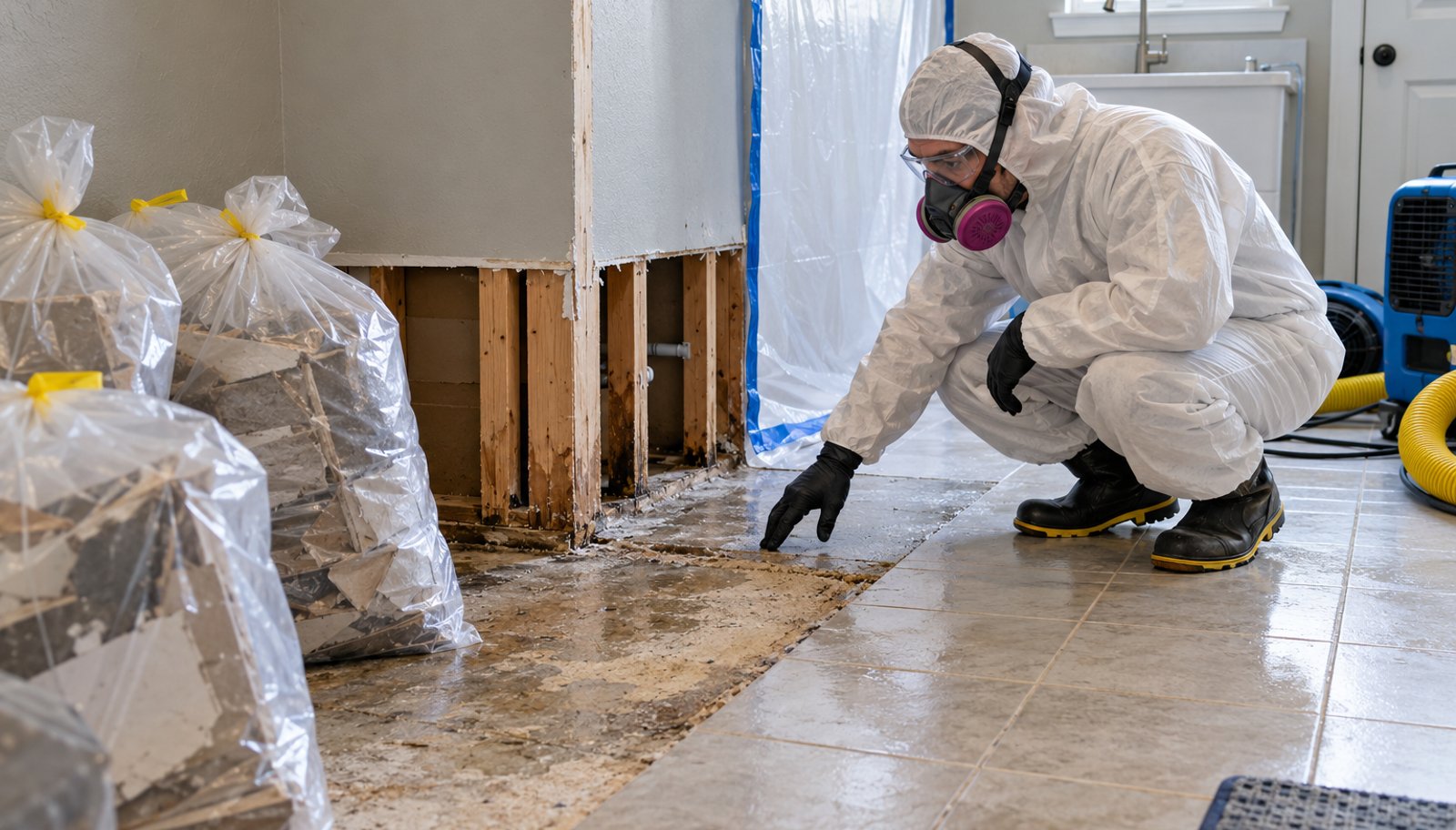
A sewage backup can affect much more than the visible floor. Contaminated water may move beneath flooring, soak lower drywall, enter insulation, and contact furniture or stored belongings. During sewage cleanup in Belton, technicians evaluate each material based on what it is made from, how heavily it was affected, and whether it can be cleaned and dried safely.
There is no reliable one-size-fits-all list. Time, contamination level, material condition, and access all influence the decision. A professional assessment helps separate items that may be restored from materials that should be removed and disposed of under the approved cleanup plan.
Porous Materials Are Often Harder to Restore
Carpet padding, insulation, untreated drywall, particleboard, and other porous materials can absorb contaminated water deeply. Cleaning the surface may not reach what entered the material. When those items cannot be safely restored, controlled removal helps expose the structure for cleaning, disinfection, and drying.
Drywall may be cut above the affected area when contamination has wicked upward. Flooring decisions depend on the product, installation method, and how far water traveled beneath it. These choices should follow the actual site conditions rather than appearance alone.
Hard Surfaces May Be Cleanable
Some intact nonporous surfaces—such as sealed tile, metal, or certain plastics—may be candidates for professional cleaning and disinfection. Cracks, unsealed joints, damaged finishes, and inaccessible cavities can change that evaluation. The surface must also be dried and verified before the area is returned to use.
Household mops, fans, and general cleaners are not a substitute for a controlled cleanup plan. They may spread contamination, create electrical risks, or leave moisture beneath the visible surface.
Furniture and Belongings Need Individual Review
Hard, washable belongings may sometimes be cleaned, while upholstered furniture, mattresses, paper goods, and composite-wood items can be difficult to restore after direct contact. Sentimental or high-value items deserve individual review before disposal. Photograph affected contents from a safe location and keep an inventory for the restoration team and insurance carrier.
Coverage depends on the source of the backup, endorsements, and policy terms. Documentation may support the claim, but it does not guarantee coverage. Avoid discarding items until documentation requirements are understood unless removal is required for immediate safety.
Cleaning Must Be Followed by Structural Drying
After extraction and unsalvageable-material removal, remaining surfaces may require cleaning, disinfection, odor treatment, and structural drying. Moisture readings help identify damp areas behind walls or below floors and show whether the drying plan is working.
When other parts of the property are affected by clean or non-sewage water, Rapid Dry's water damage restoration services explain its extraction, dehumidification, and moisture-monitoring capabilities.
Know What to Expect Before Work Begins
A clear scope should explain containment, extraction, material removal, sanitization, drying, and documentation. For a broader overview, read Rapid Dry's guide to the professional sewage cleanup process in Belton.
Request Sewage Cleanup in Belton
Rapid Dry Moisture Recovery responds 24/7 across Belton, Temple, and Killeen. Call (254) 541-2698 or request sewage cleanup online.
Need help right now? We're dispatching 24/7.
Rapid Dry Moisture Recovery serves Belton, Temple, Killeen, and surrounding Central Texas communities.